



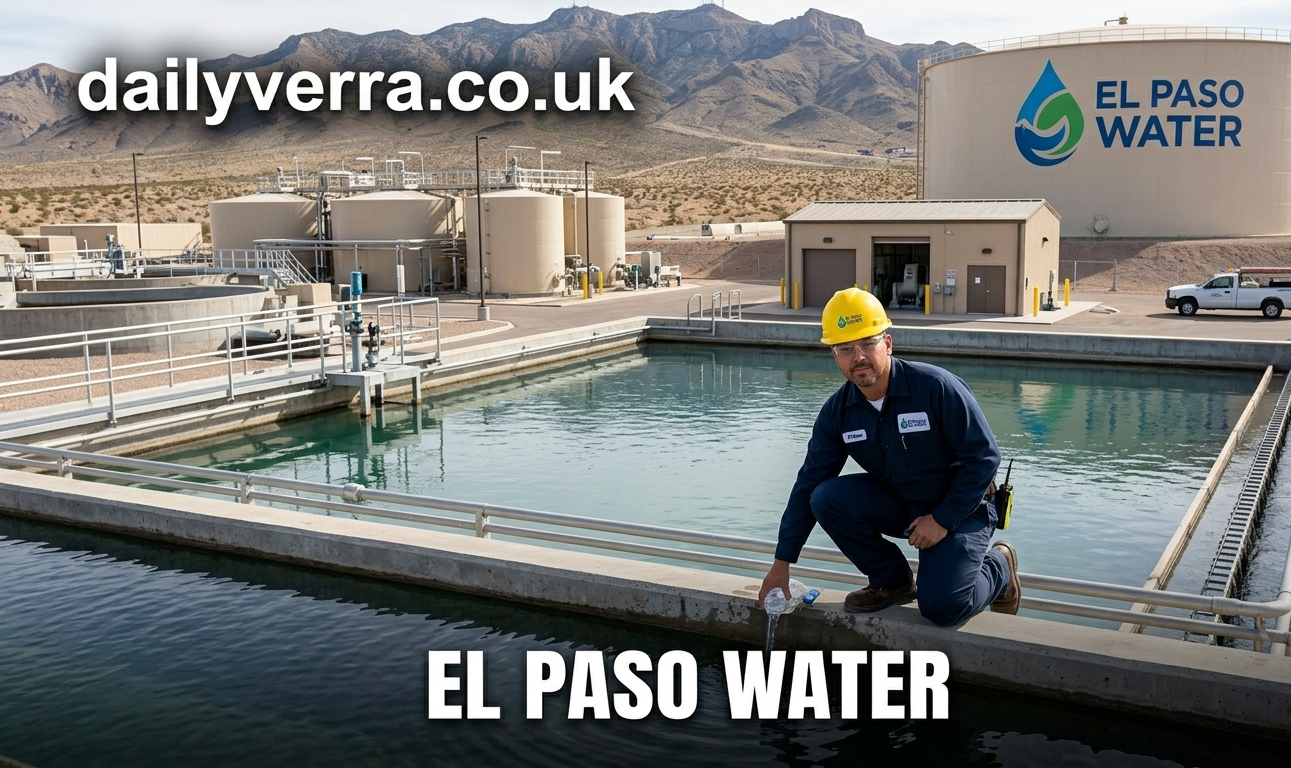
Water is one of the most critical resources for any city, especially in arid regions where natural supply is limited. The topic of El Paso water is particularly important because it highlights how a desert city has successfully managed its water resources through innovation, conservation, and long-term planning. Located in the Chihuahuan Desert, El Paso faces unique challenges when it comes to water availability, yet it has become a model for sustainable water management.
This article explores everything you need to know about El Paso water—from its sources and treatment processes to conservation efforts, infrastructure, and future strategies.
Understanding El Paso’s Water Challenges
El Paso’s geographic location presents significant obstacles. With very low annual rainfall and high evaporation rates, natural water replenishment is limited. Unlike cities with abundant lakes or rivers, El Paso must rely on a combination of groundwater, river water, and advanced treatment technologies.
The region’s population growth has also increased demand for water, making efficient management essential. Without proper planning, the city could face severe shortages. Fortunately, El Paso has taken proactive steps to address these challenges.
The Role of El Paso Water
At the center of the city’s water system is El Paso Water, the public utility responsible for providing safe and reliable water services. This organization oversees everything from water sourcing and treatment to distribution and wastewater management.
El Paso Water is widely recognized for its forward-thinking approach. It has invested heavily in infrastructure, technology, and conservation programs to ensure long-term water security.
Main Sources of El Paso Water
El Paso relies on a diverse mix of water sources. This diversification reduces risk and ensures a stable supply even during drought conditions.
1. Rio Grande River
The Rio Grande is one of the primary surface water sources for El Paso. Water from the river is treated before being distributed to residents.
However, river flow is not always consistent. It depends on snowmelt and rainfall in upstream regions, making it somewhat unpredictable.
2. Groundwater Aquifers
El Paso taps into underground water reserves, including the Hueco Bolson aquifer. Groundwater has historically been a major source, but overuse can lead to depletion.
To address this, the city carefully monitors extraction rates and promotes conservation to protect these reserves.
3. Reclaimed Water
One of the most innovative aspects of El Paso water management is the use of reclaimed water. Wastewater is treated and reused for purposes such as irrigation, industrial use, and even aquifer recharge.
This approach reduces dependence on fresh water sources and maximizes efficiency.
4. Desalination
El Paso is home to one of the largest inland desalination plants in the world. This facility treats brackish groundwater—water that is too salty to drink—and converts it into potable water.
Desalination plays a crucial role in expanding the city’s usable water supply.
Water Treatment Process
Ensuring water safety is a top priority. The treatment process involves multiple stages to remove contaminants and ensure the water meets health standards.
Key Steps in Water Treatment:
- Coagulation and Flocculation: Particles are clumped together for easier removal
- Filtration: Water passes through filters to remove impurities
- Disinfection: Chemicals or UV light eliminate harmful microorganisms
- Quality Testing: Continuous monitoring ensures safety and compliance
El Paso Water maintains strict quality standards, often exceeding regulatory requirements.
Wastewater Management and Recycling
Wastewater management is a critical component of the El Paso water system. Instead of discarding used water, the city treats and reuses it whenever possible.
Benefits of Wastewater Recycling:
- Reduces demand for fresh water
- Supports irrigation and industrial use
- Helps recharge groundwater supplies
- Promotes environmental sustainability
El Paso’s wastewater facilities are designed to maximize efficiency and minimize environmental impact.
Conservation Efforts in El Paso
Water conservation is a cornerstone of El Paso’s strategy. The city has implemented numerous programs to encourage residents and businesses to use water responsibly.
Key Conservation Measures:
- Public awareness campaigns
- Water-efficient landscaping (xeriscaping)
- Restrictions on outdoor watering
- Incentives for water-saving appliances
These efforts have significantly reduced per capita water usage over the years.
Xeriscaping: A Smart Landscaping Solution
In a desert climate, traditional lawns require large amounts of water. Xeriscaping offers an alternative by using drought-resistant plants and efficient irrigation systems.
Advantages of Xeriscaping:
- Lower water consumption
- Reduced maintenance costs
- Environmentally friendly landscaping
- Improved resilience to drought
Many El Paso residents have adopted xeriscaping as part of the city’s conservation initiatives.
Infrastructure and Distribution System
El Paso’s water infrastructure is designed to deliver water efficiently across the city. This includes:
- Pipelines and pumping stations
- Storage tanks and reservoirs
- Advanced monitoring systems
Regular maintenance and upgrades ensure reliability and minimize water loss.
Smart Water Technology
Technology plays a major role in managing El Paso water. The utility uses advanced systems to monitor usage, detect leaks, and optimize distribution.
Examples of Smart Technology:
- Automated meter reading
- Real-time data analytics
- Leak detection systems
- Remote monitoring of facilities
These innovations improve efficiency and reduce waste.
Impact of Climate Change
Climate change poses additional challenges for water management in El Paso. Rising temperatures and prolonged droughts can strain water resources.
Potential Impacts:
- Reduced river flow
- Increased evaporation
- Higher demand for water
- Stress on infrastructure
El Paso Water is actively planning for these challenges through long-term strategies.
Future Water Projects
To ensure sustainability, El Paso continues to invest in new projects and technologies.
Key Initiatives:
- Expansion of desalination capacity
- Advanced water reuse systems
- Aquifer recharge programs
- Infrastructure modernization
These projects aim to secure water supply for future generations.
Economic Importance of Reliable Water Supply
A stable water supply is essential for economic growth. Businesses, industries, and agriculture all depend on consistent access to water.
El Paso’s proactive approach has helped attract investment and support development, even in a challenging environment.
Public Health and Water Quality
Safe drinking water is vital for public health. El Paso Water conducts regular testing to ensure water meets safety standards.
Key Focus Areas:
- Removal of contaminants
- Monitoring of chemical levels
- Prevention of waterborne diseases
Residents can trust that their water is safe and reliable.
Community Involvement
Community participation is crucial for successful water management. El Paso encourages residents to take an active role in conservation efforts.
Ways Residents Contribute:
- Reducing water usage at home
- Reporting leaks
- Participating in conservation programs
- Adopting sustainable practices
Collective action makes a significant difference.
Comparison with Other Cities
El Paso’s water strategy is often compared to other cities in arid regions. Its combination of conservation, innovation, and diversification sets it apart.
Many cities are now looking to El Paso as a model for sustainable water management.
Challenges Ahead
Despite its success, El Paso still faces challenges:
- Growing population
- Climate uncertainty
- Infrastructure costs
- Balancing supply and demand
Addressing these issues will require continued innovation and investment.
Lessons from El Paso Water Management
El Paso’s approach offers valuable lessons:
- Diversify water sources
- Invest in technology
- Promote conservation
- Plan for the long term
These principles can be applied in other regions facing similar challenges.
Conclusion
The story of El Paso water is one of resilience, innovation, and forward-thinking leadership. In a region where water is scarce, El Paso Water has developed a system that not only meets current needs but also prepares for the future.
Through a combination of diverse water sources, advanced treatment technologies, and strong conservation efforts, El Paso has become a global example of how to manage water sustainably in a desert environment.
As challenges like climate change and population growth continue to evolve, El Paso’s commitment to innovation and sustainability will remain essential. The city’s success proves that even in the harshest conditions, effective water management can create a secure and thriving future.
