



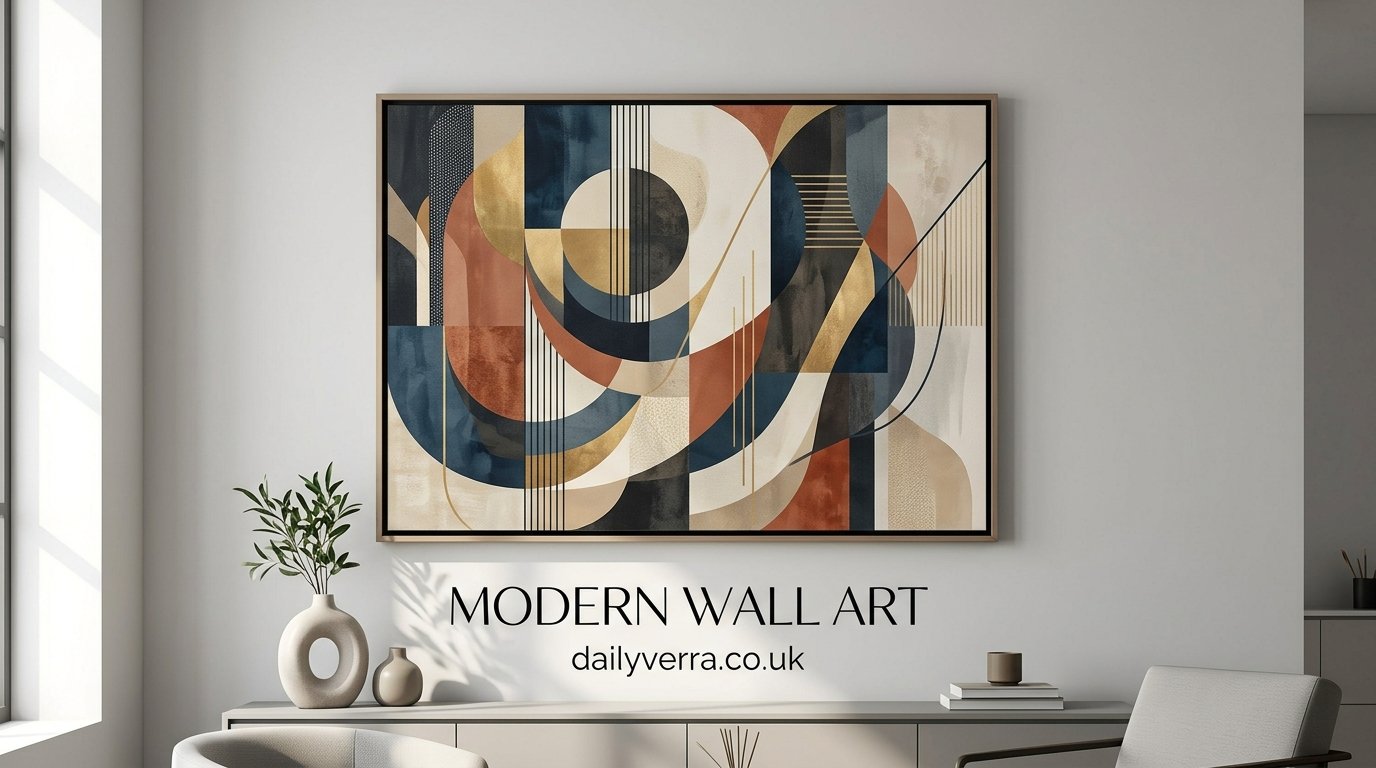
Modern wall art has become one of the most important elements in contemporary interior design. While furniture and architectural features create the foundation of a room, wall art brings personality, emotion, and visual depth to a space. It transforms empty walls into meaningful design statements and helps homeowners create environments that reflect their lifestyle, taste, and creativity. From elegant abstract paintings to oversized canvas prints and textured wall sculptures, modern artwork has evolved into a versatile design tool that can dramatically influence the atmosphere of any room.
In recent years, the demand for modern wall decor has increased significantly as people place greater emphasis on creating beautiful and personalized living spaces. The rise of open-concept homes, minimalist interiors, and social media-inspired design trends has encouraged homeowners to view wall art as more than simple decoration. Today, it serves as a focal point, a conversation starter, and an expression of individual identity. Whether decorating a living room, bedroom, dining area, office, or hallway, the right piece of modern wall art can instantly elevate the entire interior.
Modern wall art encompasses a wide variety of styles, materials, colors, and techniques. Understanding how these elements work together allows homeowners, designers, and art enthusiasts to make informed choices that enhance both aesthetics and functionality. As design preferences continue to evolve, modern artwork remains at the forefront of contemporary home styling, offering endless opportunities for creativity and self-expression.
Understanding the Essence of Modern Wall Art
Modern wall art is distinguished by its emphasis on simplicity, innovation, and visual impact. Unlike traditional art styles that often focus on realism, historical themes, or ornate detailing, modern artwork embraces clean lines, bold compositions, and creative experimentation. Artists frequently use shape, color, texture, and form to communicate ideas and emotions rather than relying solely on literal representations. This approach encourages viewers to engage with the artwork on a personal level and interpret its meaning through their own experiences.
One of the defining characteristics of modern art is its adaptability. It can complement a wide range of interior styles, including minimalist, industrial, Scandinavian, contemporary, and mid-century modern design. This versatility has contributed to its widespread popularity among homeowners and professional designers alike. Modern artwork can serve as a subtle enhancement to an existing design scheme or become the dominant feature that defines the room’s entire character.
The appeal of modern wall art also lies in its ability to create balance within a space. Carefully selected artwork can introduce color, texture, and visual movement while maintaining harmony with surrounding furnishings and architectural elements. By integrating art into the overall design strategy, homeowners can create interiors that feel complete, sophisticated, and intentionally curated.
The Evolution of Modern Wall Art in Contemporary Homes
The concept of modern wall art has evolved significantly over the past century. Early modern art movements challenged traditional artistic conventions by emphasizing abstraction, experimentation, and new ways of seeing the world. These innovations laid the foundation for contemporary wall decor trends that prioritize creativity, individuality, and visual expression. As artistic boundaries expanded, modern artwork became increasingly accessible to a broader audience.
Advancements in printing technology and digital design have further transformed the wall art industry. High-quality canvas prints, acrylic panels, and metal art pieces can now replicate intricate details and vibrant colors with remarkable precision. This accessibility has enabled homeowners to explore a wider range of artistic styles without the limitations traditionally associated with collecting original works of art.
The growing popularity of interior design platforms and online marketplaces has also influenced consumer preferences. People are exposed to diverse design ideas from around the world, encouraging them to experiment with different forms of wall decor. As a result, modern wall art continues to evolve alongside changing lifestyles, architectural trends, and technological innovations.
Popular Styles of Modern Wall Art
Abstract wall art remains one of the most influential styles in contemporary interior design. Characterized by non-representational forms, dynamic compositions, and expressive use of color, abstract artwork invites interpretation and emotional engagement. Rather than depicting specific subjects, abstract pieces focus on visual elements that evoke mood, energy, and imagination. This flexibility makes abstract art suitable for virtually any room or design aesthetic.
Geometric wall art has gained significant popularity due to its clean structure and contemporary appeal. Geometric compositions often feature repeating patterns, symmetrical arrangements, and bold shapes that create visual order and balance. These designs align particularly well with minimalist and modern interiors where simplicity and precision are highly valued.
Nature-inspired modern artwork offers another popular option for homeowners seeking a connection to the natural world. Contemporary botanical prints, landscape abstractions, and organic textures bring warmth and tranquility into living spaces. By combining modern artistic techniques with natural themes, these pieces create a harmonious balance between sophistication and comfort.
The Importance of Color in Modern Wall Decor
Color is one of the most powerful tools in modern wall art because it directly influences the mood and perception of a space. Neutral color palettes featuring black, white, gray, beige, and soft earth tones are often used to create calm, elegant environments. These understated tones work exceptionally well in minimalist interiors where simplicity and visual clarity are central design principles.
Bold colors serve a different purpose by introducing energy, contrast, and personality. Vibrant shades of blue, red, yellow, green, and orange can transform a room by creating strong focal points that immediately attract attention. In spaces dominated by neutral furnishings, colorful artwork often becomes the primary visual feature, adding excitement and character without requiring major design changes.
Contemporary designers frequently use wall art to establish color continuity throughout a room. Artwork can reinforce existing color schemes or introduce complementary accent tones that connect different design elements. This strategic use of color contributes to a cohesive interior while enhancing the overall visual experience.
Canvas Wall Art and Its Enduring Popularity
Canvas wall art has become one of the most widely preferred forms of modern wall decor. Its popularity stems from its versatility, durability, and ability to replicate the appearance of traditional paintings. Canvas prints are available in countless styles, ranging from abstract compositions and photography to contemporary illustrations and mixed-media designs. This extensive variety ensures that homeowners can find pieces suited to virtually any interior design preference.
The texture of canvas contributes significantly to its visual appeal. Unlike standard paper prints, canvas surfaces create subtle depth and dimension that enhance the overall presentation of the artwork. The absence of reflective glass also allows viewers to appreciate colors and details without glare, making canvas an excellent choice for brightly lit spaces.
Large canvas artwork has become particularly popular in modern living rooms, bedrooms, and offices. Oversized pieces create dramatic focal points while helping fill expansive wall areas with elegance and sophistication. Their ability to make a strong visual statement has established canvas prints as a cornerstone of contemporary interior design.
Modern Wall Art for Different Living Spaces
The living room often serves as the primary showcase for modern wall art because it is typically the most visible and frequently used area of the home. Large statement pieces positioned above sofas or fireplaces create focal points that anchor the room’s design. The artwork chosen for these spaces often reflects the homeowner’s personality while establishing the desired atmosphere for social gatherings and relaxation.
Bedrooms require a different approach to wall decor. Artwork in these spaces should promote comfort, tranquility, and personal connection. Soft abstract paintings, calming landscapes, and subtle color palettes are frequently selected to create an environment conducive to rest and relaxation. Well-chosen artwork contributes to a sense of warmth and intimacy that enhances overall comfort.
Home offices and workspaces benefit from artwork that encourages creativity and focus. Modern geometric designs, inspirational abstract compositions, and sophisticated monochromatic pieces can help create a professional yet stimulating environment. As remote work becomes increasingly common, thoughtfully selected wall art plays an important role in shaping productive and enjoyable workspaces.
The Rise of Textured and Three-Dimensional Wall Art
One of the most notable developments in contemporary interior design is the growing popularity of textured wall art. Unlike traditional flat artwork, textured pieces incorporate physical depth through layered materials, sculptural surfaces, and tactile elements. These designs create dynamic visual experiences that change depending on lighting conditions and viewing angles.
Three-dimensional wall art introduces an additional layer of sophistication by extending beyond the wall surface. Metal sculptures, carved wood panels, woven textile installations, and mixed-media compositions create striking focal points that add complexity and character to interior spaces. Their ability to interact with light and shadow enhances the sense of movement and dimension within a room.
The increasing interest in texture reflects broader trends toward sensory design and personalized interiors. Homeowners are seeking ways to create spaces that feel rich, engaging, and unique. Textured wall art fulfills this desire by combining artistic expression with architectural presence, resulting in highly memorable visual experiences.
How Size and Placement Influence Interior Design
The effectiveness of modern wall art depends heavily on scale and placement. Artwork that is appropriately sized for its surroundings creates balance and harmony, while pieces that are too small or too large can disrupt the room’s visual flow. Designers often recommend selecting artwork that relates proportionally to nearby furniture and architectural features.
Large-scale wall art is particularly effective in open-concept homes where expansive wall surfaces require substantial visual elements. Oversized artwork creates immediate impact and helps define specific areas within larger spaces. These pieces often serve as the room’s central focal point, guiding the viewer’s attention and influencing the overall aesthetic direction.
Placement is equally important in maximizing visual impact. Artwork positioned at eye level generally feels more natural and accessible. When integrated thoughtfully into the room’s layout, modern wall art becomes an integral part of the interior rather than a separate decorative accessory. Proper positioning enhances both functionality and aesthetic appeal.
Sustainability and Innovation in Modern Wall Art
Sustainability has become an increasingly important consideration within the art and interior design industries. Many contemporary artists and manufacturers now prioritize environmentally responsible materials and production methods. Reclaimed wood, recycled metals, organic textiles, and eco-friendly inks are commonly used to create artwork that aligns with modern environmental values.
Consumers are becoming more conscious of the environmental impact associated with home decor purchases. As a result, sustainable wall art has gained popularity among homeowners seeking both beauty and responsibility. These pieces demonstrate that aesthetic excellence and environmental awareness can coexist successfully within contemporary design.
Technological innovation continues to expand the possibilities of modern wall art. Advanced printing methods, digital illustration techniques, and new material developments allow artists to explore creative concepts previously impossible to achieve. This ongoing evolution ensures that modern wall art remains a dynamic and continually developing form of artistic expression.
Conclusion
Modern wall art has evolved into far more than a decorative accessory. It serves as a powerful design element that shapes the atmosphere, character, and identity of interior spaces. Through thoughtful use of color, texture, scale, and artistic style, wall art has the ability to transform ordinary rooms into visually engaging environments that reflect personal taste and contemporary design sensibilities.
From abstract paintings and canvas prints to textured installations and sustainable creations, the variety of modern wall decor available today offers endless opportunities for customization and creativity. Homeowners can choose pieces that complement existing interiors, establish dramatic focal points, or communicate meaningful aspects of their personality and lifestyle. The versatility of modern artwork ensures its relevance across a wide range of architectural styles and design preferences.
As interior design continues to evolve, modern wall art remains an essential component of creating beautiful, functional, and inspiring living spaces. Its ability to combine artistic expression with practical design makes it one of the most valuable investments in contemporary home decor. Whether used to add elegance, introduce color, create texture, or express individuality, modern wall art continues to redefine the way people experience and interact with their homes.
